EFFLUENT TREATMENT PLANT (ETP) MANUFACTURERS IN INDIA
Effluent is generated in many manufacturing industries like textile, pharmaceuticals and chemicals, tanneries etc. Contaminated water cannot be released without treatment as it contains toxic and non-toxic chemicals. Releasing it may cause contamination of the existing pure water and will affect the environment. As a result ETP’s are installed in most manufacturing industries.
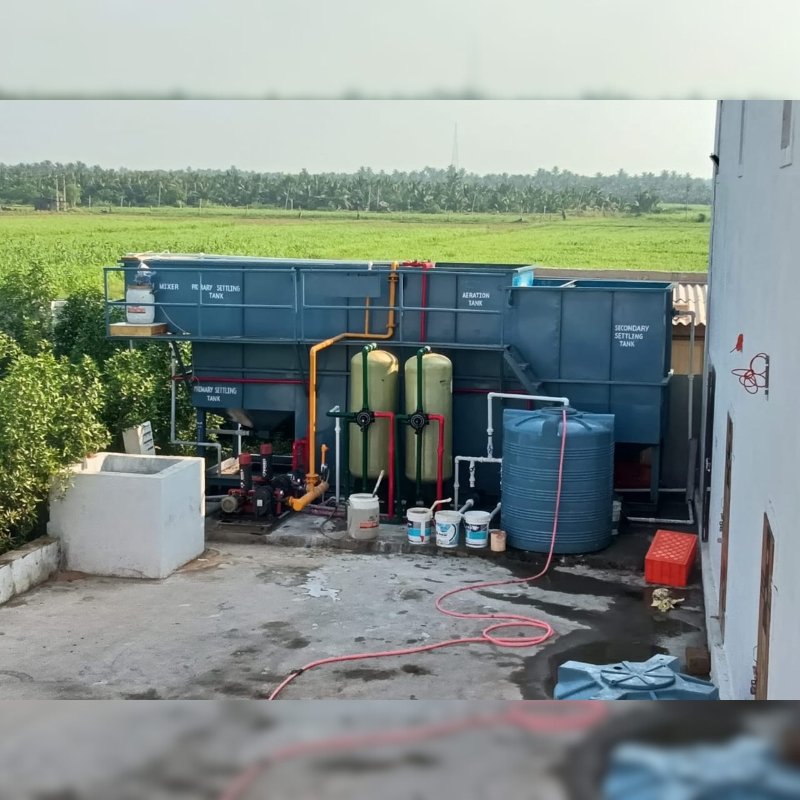
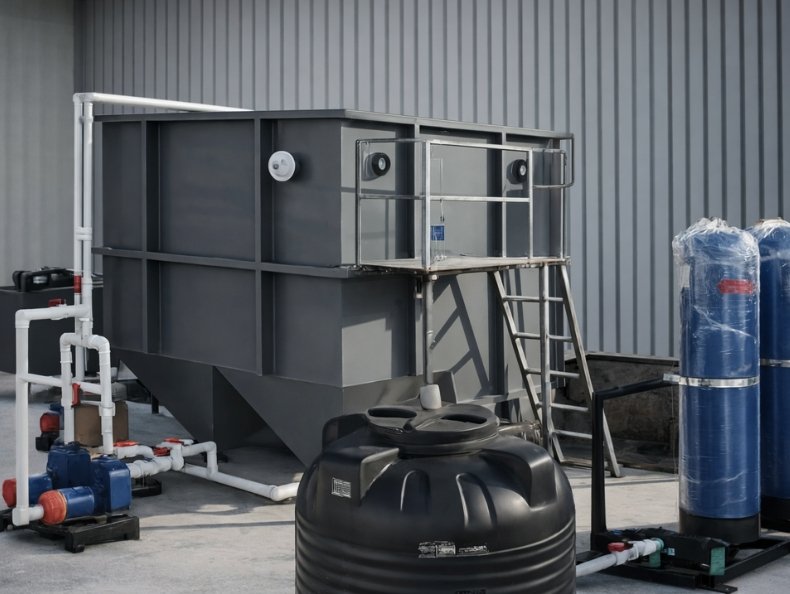
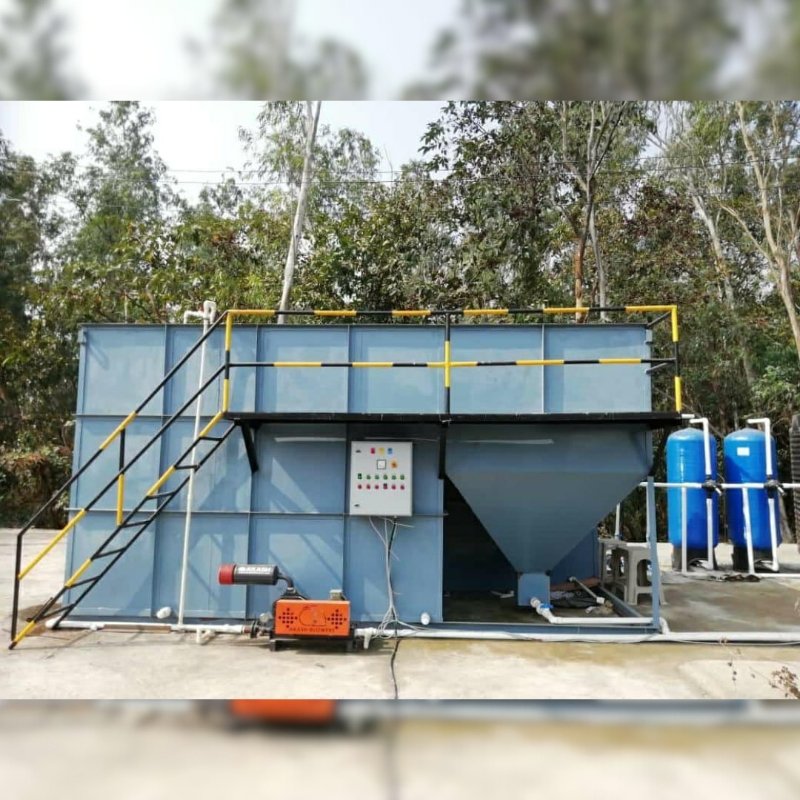
The Effluent treatment plants (ETP) are used for the removal of high amounts of organic compounds, debris, dirt, grit, pollution, toxic, non-toxic materials and polymers etc. from industrial effluent. The ETP plants use evaporation and drying methods and other auxiliary techniques such as centrifuging Filtration incineration for chemical processing and effluent treatment.
ETP Plant Operation
1. Screen Chamber
- Removes relatively large solids to avoid abrasion of mechanical equipment.
- Prevents clogging of the hydraulic system.
2. Collection Tank
- Collects effluent water from the screening chamber.
- Stores the effluent and pumps it to the equalization tank.
3. Equalization Tank
- Effluent concentration and pH vary over time.
- Effluents are stored for 8 to 12 hours for homogeneous mixing.
- Helps in neutralization of effluent.
- Continuous mixing prevents settling of solids.
- Reduces SS and TSS.
4. Flash Mixer
- Coagulants are added to the effluent.
- Lime (800–1000 ppm) is added to correct pH up to 8–9.
- Alum (200–300 ppm) is added to remove color.
- Polyelectrolyte (0.2 ppm) is added to settle suspended matter.
- Rapid mixing facilitates formation of micro flocs.
- Helps in reducing SS and TSS.
5. Clariflocculator
- Water is circulated continuously using a stirrer.
- Slow mixing forms macro flocs which settle in the clarifier zone.
- Overflow water flows to the aeration tank.
- Settled solids reduce SS and TSS.
- Primary sludge is pumped to sludge drying beds.
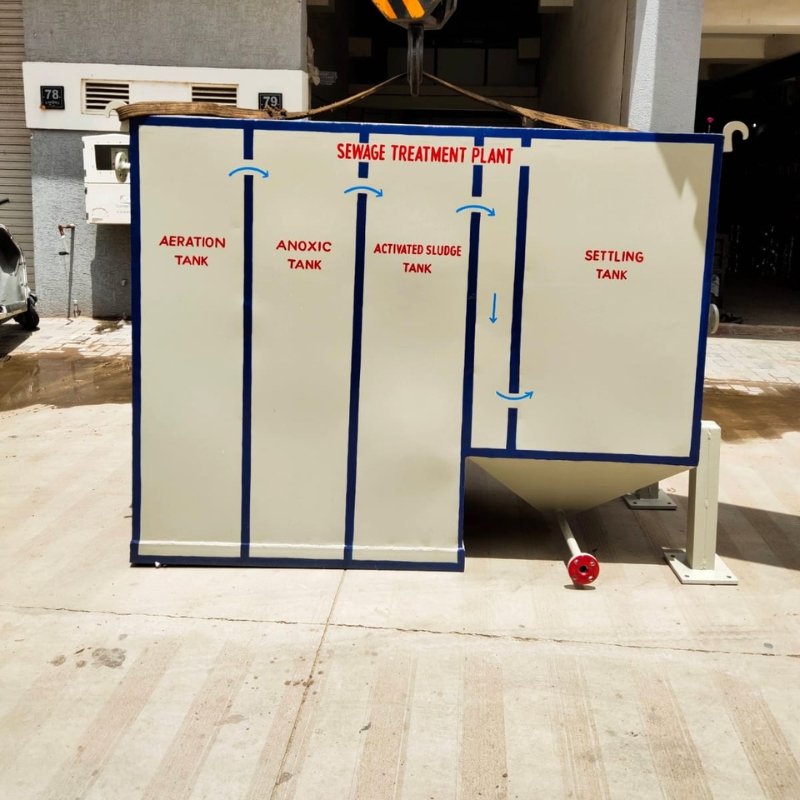
6. Aeration Tank
- Clarified effluent flows into the aeration tank for aerobic treatment.
- Equipped with air blowers or diffusers.
- Maintains required dissolved oxygen (DO) level.
- Bacteria break down organic matter to remove BOD and COD.
- BOD and COD reduction up to 90%.
7. Secondary Clarifier
- Receives overflow from the aeration tank.
- Solid-liquid separation takes place.
- Settled solids are called biological sludge.
- Part of sludge is recycled to maintain MLSS level.
- Remaining sludge is sent to sludge collection tank.
- Treated water quality is checked before disposal.
8. Sludge Thickener
- Inlet sludge contains approximately 60% water and 40% solids.
- Effluent is passed through a centrifuge.
- Centrifugal action separates solids and liquids.
- Water content is reduced to 40% and solids increased to 60%.
- Effluent is reprocessed and sludge is collected at the bottom.
9. Drying Beds
- Primary and secondary sludge is dried on drying beds.
- Further reduces water content of sludge.